Taking a dive into the heart of hip-hop: graffiti, beats, rhymes, and life in the Brooklyn ghetto. A place where dreams of making it big clash with the harsh reality of being at the bottom of American society.
Brooklyn – the name makes many New York enthusiasts think of trendy neighborhoods like Brooklyn Heights, Williamsburg, or Dumbo, just across the East River. But Brooklyn is massive, and not all of its 90+ neighborhoods are polished and cool. Areas like Bushwick, Flatbush, and East New York remain tough. Bushwick, for instance, is not a place I’d venture into alone.
Back then, I worked with a designer named John. He was deeply immersed in the graffiti and freestyle hip-hop scene. A true New Yorker, Puerto Rican by heritage, and raised in the Lower East Side. One summer day, we were spray-painting my VW van in Brooklyn when John asked me to drop him off “just around the corner” at a friend’s place.
As we drove, the scenery became unsettling. Derelict houses with boarded-up windows, burnt-out car wrecks lining the streets, and the few people around shot hostile glares my way. As a white “skinny” guy, I wasn’t welcome here—except under the protection of my homeboy John.
We stopped in front of a rundown house. “My boys are having a session. Come join us,” John said. I hesitated but eventually let him talk me into it. Opportunities like this don’t come along every day. The house was in rough shape: windows boarded up, the first floor occupied by a few Black guys and their “Latina Chicas.” I wasn’t warmly received, but my tattoos earned me a bit of respect—a sign of toughness in these circles.
John introduced me as a “painter” from Germany, and slowly, the guys began to warm up. We chatted in slang, and the atmosphere grew friendlier. The chicas, however, continued to look down on me while half-watching a porno on the TV.
We headed into a bedroom that doubled as a makeshift recording studio. DJ gear and high-end equipment were scattered around. One of the guys claimed to have ties to the hip-hop group ONYX. When the first blunt—a hollowed-out cigar filled with weed—made the rounds, I took a hit and nearly coughed up a lung. That finally broke the ice.
Someone popped in a CD, and the beats began to flow. Freestyling filled the room—raw, unfiltered raps about life, women, drugs, the hustle, and dreams of fast cash. The mic passed from hand to hand, but I politely declined. Rapping isn’t my thing.
People came and went. At one point, a new guy entered—16, heavily tattooed, with a scowl that could cut glass. He was visibly uncomfortable with my presence, making it clear I wasn’t welcome. The others apologized, saying he was young and “a little off.” No problem—I wasn’t planning to stay forever.
For an hour, I wasn’t an outsider. I wasn’t just a guest; I was accepted, allowed to experience a slice of their world. Hip-hop isn’t just music. It’s a lifestyle born in the ghetto and spread worldwide—from the favelas of Brazil to the suburbs of Paris to the housing blocks of Eastern Germany.
The rhymes spoke a universal language: the struggles of ghetto life, the fight for survival, the dream of rising above it all. Raw and real, they tackled topics some might find uncomfortable: sex, drugs, gangs, but also unity, love, and friendship.
When I left, I returned to my Manhattan life—an East Village apartment, café lattes, and Yuppie friends. But the experience stayed with me.
I’m not a hip-hopper. I didn’t grow up in the ghetto. But now I understand the music. I listen more closely to the stories in rap songs, trying to grasp their meaning. Right now, a smooth, jazzy East Coast track by Mos Def is playing on my stereo. No 50 Cent R&B fluff—just raw Brooklyn beats. Straight outta the streets.
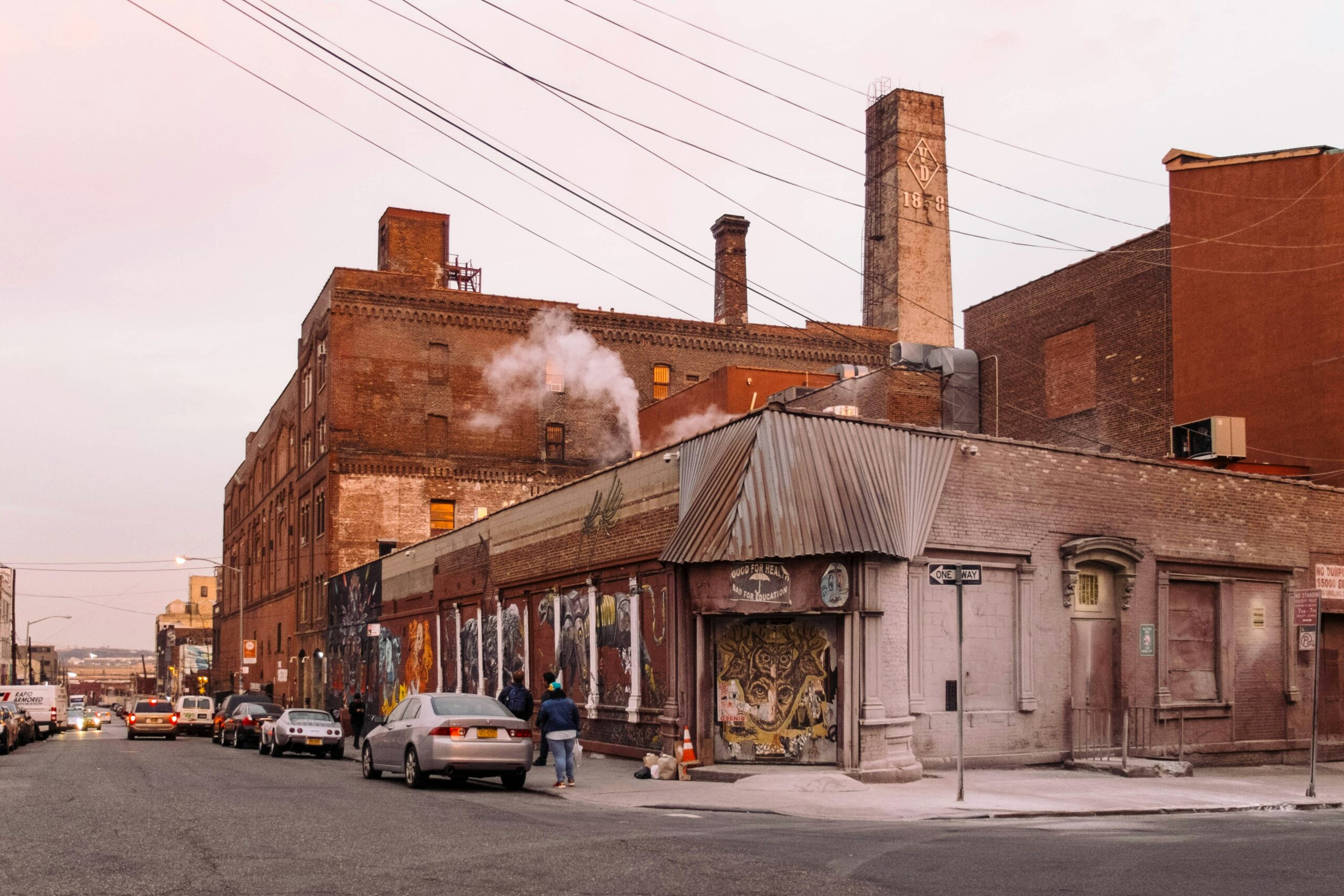
Photo by Robert Katzki on Unsplash